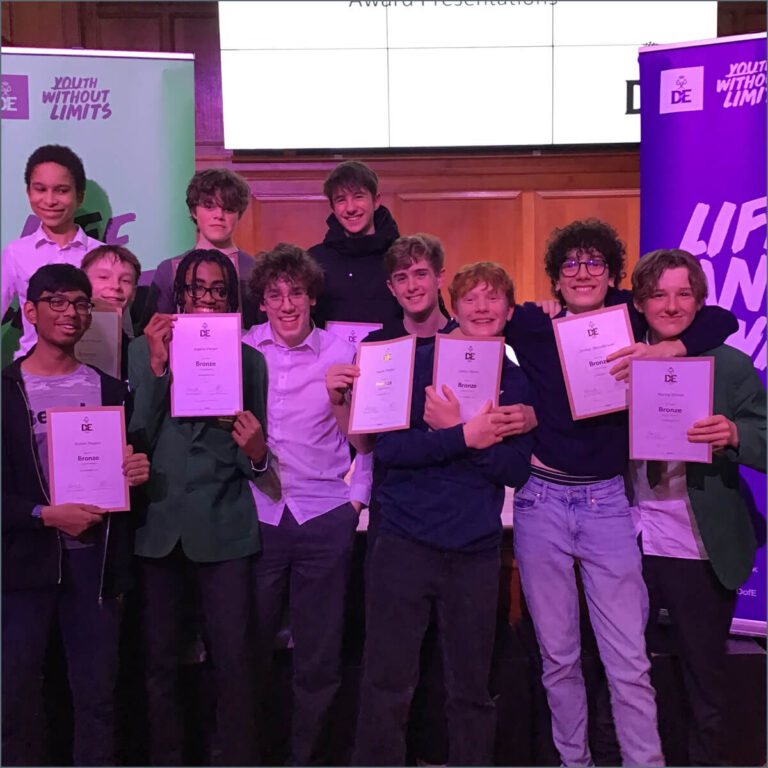
The Duke of Edinburgh Award (DofE) is one of the most widely recognised youth programmes in the world, and for good reason. Since its founding in 1956, it has helped millions of young people develop skills, resilience, and a sense of purpose that goes well beyond what can be measured in exam results. At Farringtons, we run the DofE programme with real commitment, and we see the impact it has on our pupils year after year.
If your child is approaching the age at which they can begin the Award, or if you are considering schools and want to understand what DofE involvement actually looks like in practice, this post should help.
What are the three levels of the Duke of Edinburgh Award?
The Award operates at three levels: Bronze, Silver, and Gold. Bronze is typically undertaken in Year 9 or Year 10, Silver in Year 10 or 11, and Gold during the Sixth Form. Each level is progressively more demanding, and each builds on the skills and mindset developed at the level below.
All three levels share the same four sections: volunteering, physical activity, skills development, and an expedition. At Gold level, a fifth section is added: a residential project, which involves a purposeful stay away from home in an unfamiliar environment. Each section requires a commitment of time and effort over a sustained period, which is precisely what gives the Award its credibility.
What does the volunteering section of DofE involve?
The volunteering section requires pupils to give their time, freely and without payment, to benefit others. This might involve supporting a local community group, helping at a primary school or care home, fundraising for a charity, or taking on an environmental project. The activity needs to be something that genuinely benefits others, not just the participant.
For many of our pupils, the volunteering section turns out to be the most personally meaningful part of the Award. It often opens doors to experiences and relationships they would not otherwise have had, and it builds empathy and perspective in a way that is difficult to manufacture.
What kinds of skills and physical activities count towards DofE?
The skills section is broader than many families realise. Almost any skill that a pupil develops over time can count, from learning a musical instrument to developing cookery skills, from coding to learning a new language. The key requirement is that the activity involves progression: demonstrating improvement over the assessment period.
The physical section similarly has wide scope. Sport, dance, martial arts, swimming, gym work, and many other physical activities all qualify. Again, the focus is on sustained engagement and improvement rather than reaching a particular standard.
What does the DofE expedition involve at each level?
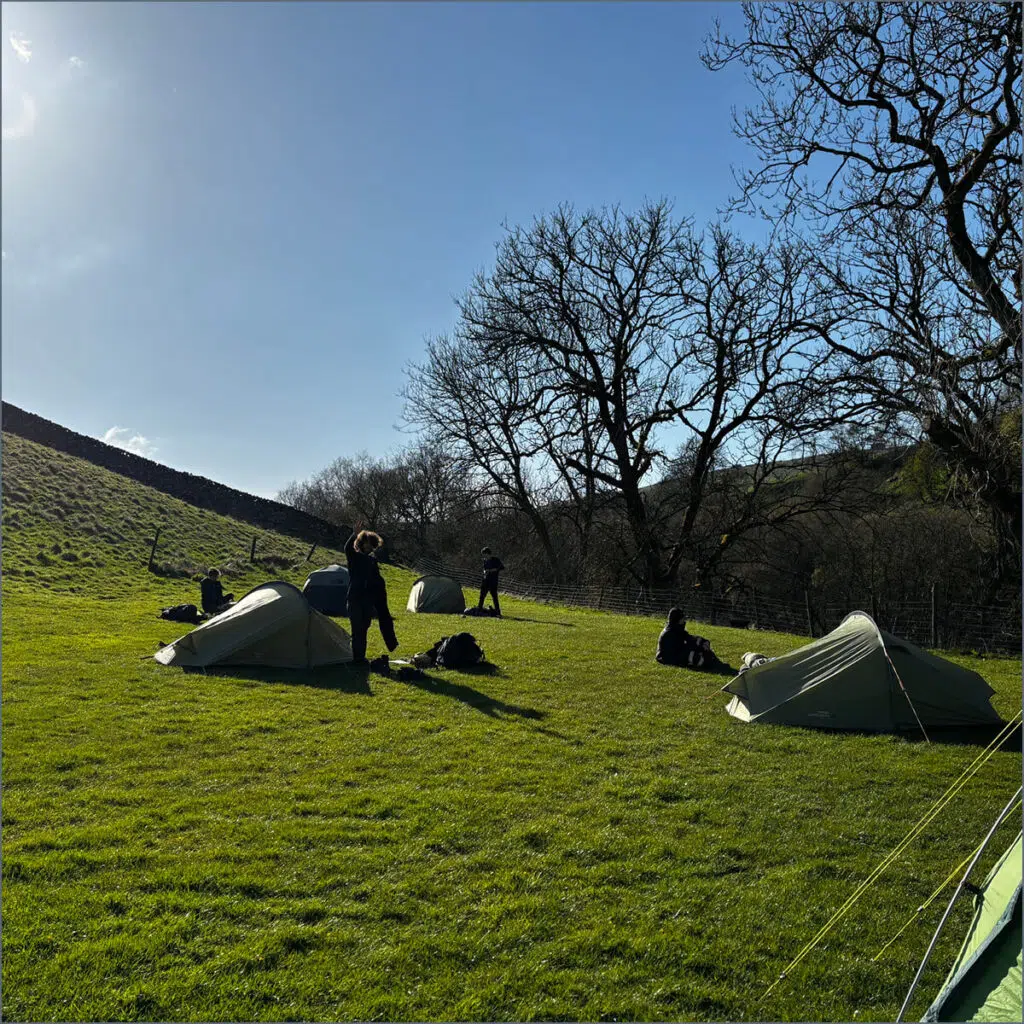
The expedition is often the section that captures pupils’ imaginations most vividly, and the one they talk about most afterwards. At Bronze level, the expedition is two days and one night, spent on foot in an unfarmed, open countryside environment. Silver requires three days and two nights. Gold requires four days and three nights in a remote area of wild country.
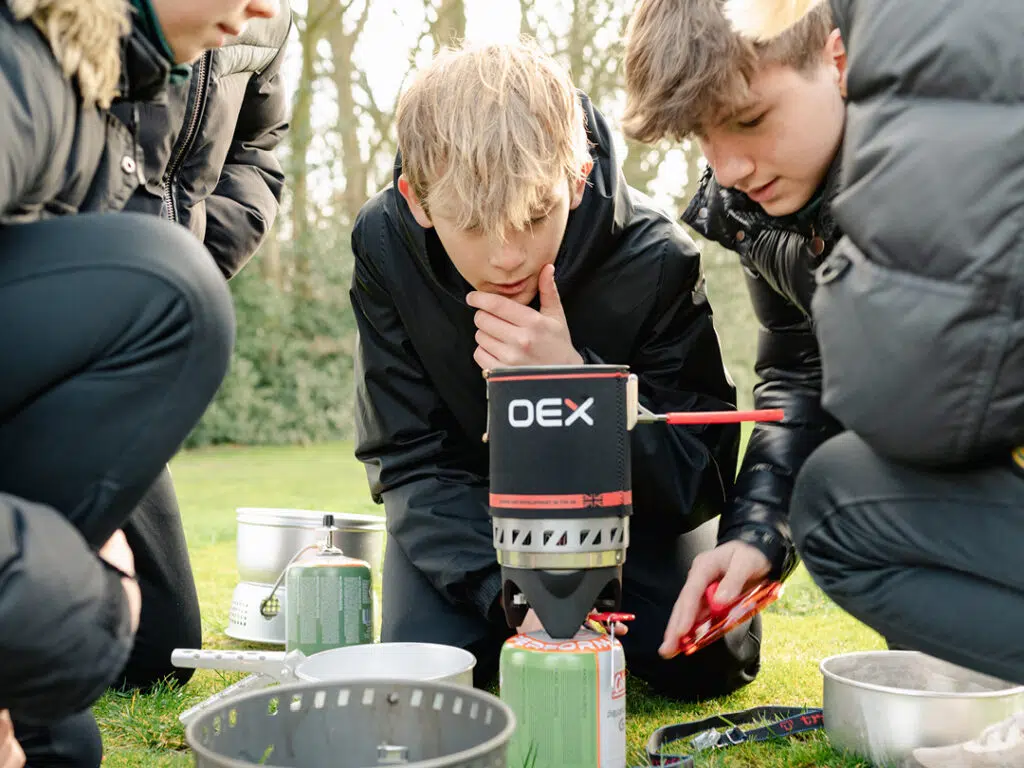
Pupils plan and navigate their own routes, carry their own equipment, and are assessed by supervisors. The experience builds practical navigation skills, teamwork, physical endurance, and genuine self-reliance. There is very little in school life that replicates it, and the confidence it builds tends to be lasting.
How do universities and employers view the Duke of Edinburgh Award?
Very positively. The Award is recognised by universities across the UK as evidence of character, commitment, and the ability to see a challenging long-term project through to completion. Personal statement advisors and admissions tutors frequently note that Gold Award holders stand out not simply because of the Award itself, but because of what it demonstrates about the young person behind it.
Employers increasingly value the same qualities. Time management, resilience, community contribution, and the ability to work in teams under pressure are all attributes that DofE develops and that interviews and references can then speak to credibly.
How does Farringtons run the DofE programme?
At Farringtons, we coordinate the Award with dedicated staff who support pupils through each section, help with planning and logistics, and ensure that the experience is positive and properly structured. We believe DofE works best when it is genuinely embedded in school life rather than treated as an add-on, and that is the approach we take, with all Year 9 pupils working toward their Bronze Award during their Floreat lessons. You can find out more Floreat here or speak to us directly at an open event.